What is the GLP-1 diet, and what does it actually mean?
GLP-1 receptor agonists like semaglutide and tirzepatide work primarily by mimicking and amplifying the body’s natural glucagon-like peptide-1 signaling. They slow gastric emptying, signal satiety to the brain, reduce appetite, and moderate food reward behavior. The result is that most people eat significantly less — often 30–50% fewer calories— without conscious restriction.
What is the GLP-1 diet, then? It is the nutritional pattern that maximizes the quality of the calories you are eating during this reduced-intake phase, rather than simply eating less of whatever you were eating before. The core principles: high protein, nutrient density, adequate hydration, and minimizing foods that worsen GI side effects.
The goal is not to follow a named diet. It is to ensure that while your total intake is lower, your protein is adequate to preserve lean mass, your micronutrients are sufficient, and your GI tolerance is managed so that you can stay on treatment through the dose-escalation phase.
What should you eat on GLP-1 therapy?
Protein: the non-negotiable priority
Protein preservation of lean mass is the most evidence-supported nutritional intervention during GLP-1-driven weight loss. The target is 1.2–1.6 g per kg of body weight per day. Best sources: chicken, turkey, fish, eggs, Greek yogurt, cottage cheese, edamame, tempeh, and tofu. Protein shakes are a practical tool when appetite is suppressed enough to make whole-food targets difficult.
Eat protein first at every meal. When your capacity is limited and you fill up quickly, you want protein in before carbohydrates or fats take up the available space.
Vegetables and fiber
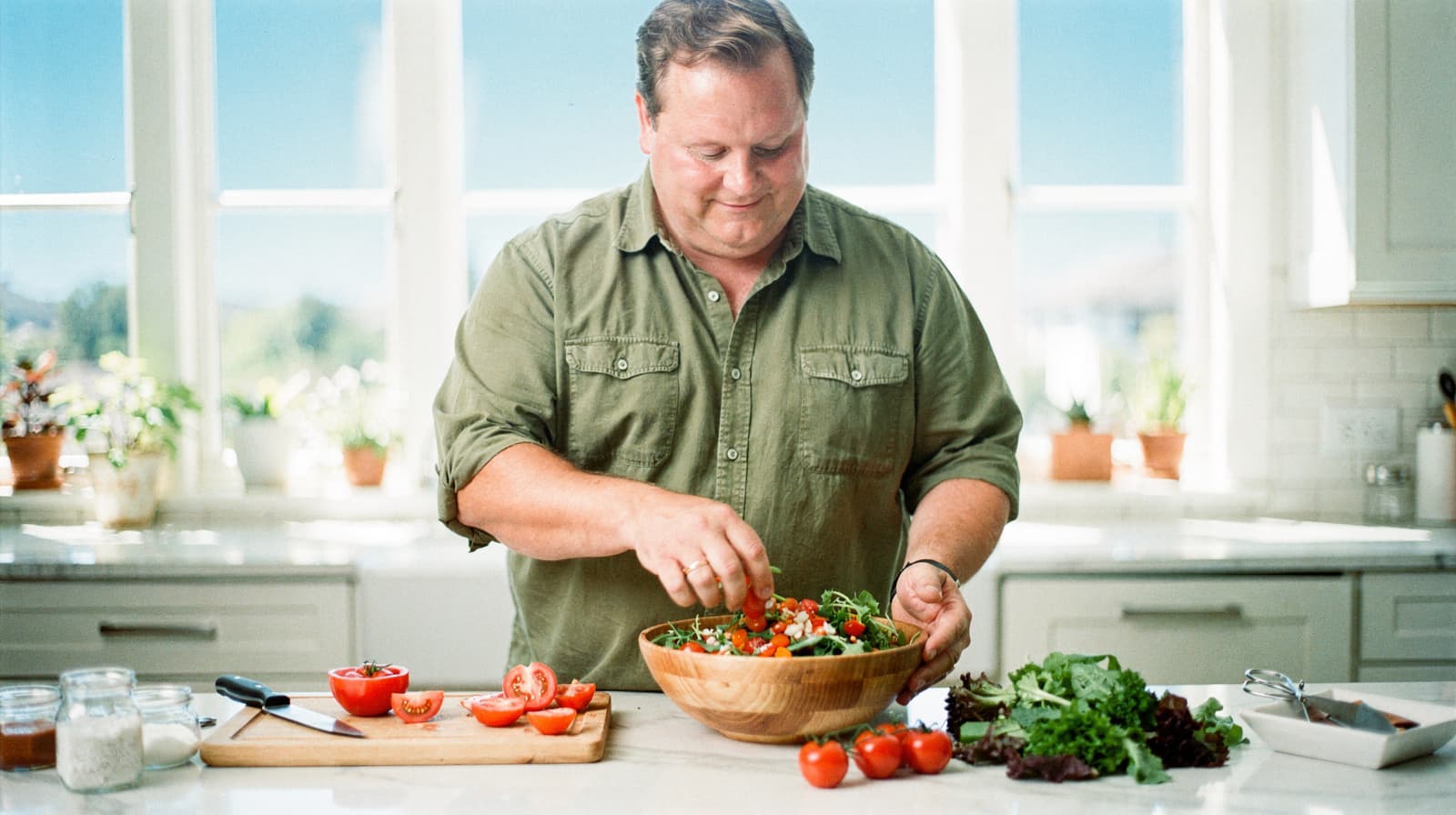
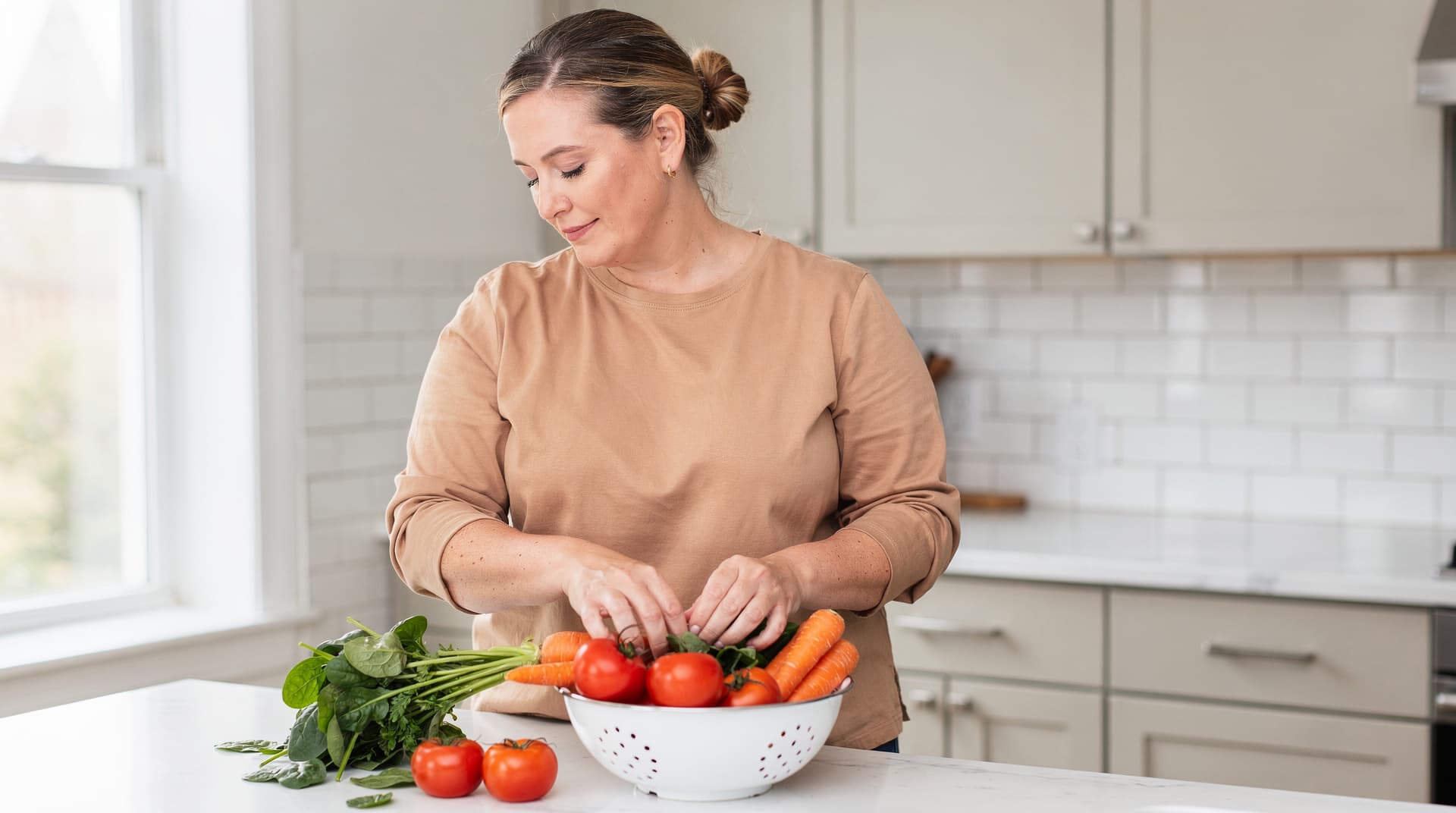
Non-starchy vegetables — leafy greens, broccoli, cauliflower, zucchini, bell peppers, asparagus — are high in micronutrients and fiber while being low in calories. They support gut motility (which GLP-1 therapy can slow), provide antioxidants and vitamins, and fill the plate without displacing protein.
Soluble fiber from vegetables, legumes, and whole grains also independently stimulates GLP-1 secretion from gut L-cells and supports blood sugar regulation, adding to the pharmacological effect of the medication.
Healthy fats (moderate amounts)
Avocado, olive oil, nuts, and fatty fish supply essential fatty acids and fat-soluble vitamins (A, D, E, K). Keep portions moderate — fat is calorie-dense, and GLP-1 therapy already slows gastric emptying, so large high-fat meals can worsen nausea.
Whole grains (when tolerated)
Oats, quinoa, brown rice, and whole-grain bread supply B vitamins, fiber, and sustained energy. Some GLP-1 users find that starchy carbohydrates are less well-tolerated early in treatment, particularly if they contribute to nausea. Adjust based on individual tolerance and reduce or eliminate during high-side-effect phases.
Hydration
GLP-1 medications reduce hunger for both food and fluids. Dehydration is common and worsens fatigue and constipation. Aim for 2–2.5 liters of water daily, sipped consistently throughout the day rather than in large volumes at once. Herbal teas and electrolyte-containing drinks (low sugar) count toward fluid intake.
The GLP-1 diet isn’t a named plan — it’s a set of principles that make your naturally reduced intake protect muscle instead of sacrificing it.
What foods should you avoid on GLP-1 therapy?
- High-fat meals: GLP-1 therapy already slows gastric emptying. Adding a large high-fat meal amplifies this significantly, often triggering nausea, reflux, and prolonged fullness. Keep single-meal fat intake moderate.
- Fried and ultra-processed foods: High in fat, low in protein and nutrients, and often salty enough to worsen fluid retention. They also provide minimal satiety signal per calorie eaten.
- Sugary beverages: Liquid calories bypass the satiety signals GLP-1 therapy enhances. Sugary drinks, juice, and sweetened coffee drinks deliver calories without triggering fullness, undermining one of the core mechanisms of treatment.
- Alcohol: Slowed gastric emptying means alcohol is absorbed more slowly but can have a more pronounced effect once it does absorb. Many GLP-1 users find their tolerance has changed. Alcohol also contributes empty calories and can worsen GI symptoms.
- Carbonated drinks: Bloating and gas are common side effects; carbonation can worsen them. Still water is better tolerated.
- Large meals: The slowed gastric emptying on GLP-1 therapy means large volume meals can sit in the stomach for a long time, causing discomfort and nausea. Smaller, more frequent meals are better tolerated for most patients.
How should you time and structure meals on GLP-1 therapy?
There is no mandatory meal timing pattern for GLP-1 users. However, several practical patterns tend to work better than others:
- Three to five smaller meals instead of two or three large ones. The reduced gastric capacity that comes with GLP-1 therapy means smaller volumes are more comfortable.
- Protein-first structure at every eating occasion. This ensures protein gets priority within limited appetite windows.
- Pre-injection awareness: Some weekly-injection users experience stronger nausea in the 24–48 hours post-injection. Scheduling lighter, more easily tolerated meals around injection day reduces discomfort.
- Consistent mealtimes help regulate hunger signals and digestive rhythm, even when appetite is suppressed.
Does the GLP-1 diet change over time?
Yes. The first several months of GLP-1 therapy — particularly during dose escalation — are typically the most challenging from a GI tolerance standpoint. The dietary priorities during this phase are managing side effects and protecting protein intake, even if total food volume is very low.
As the body adapts and GI symptoms diminish (which most users experience by month three to four at a stable dose), the dietary focus shifts toward building a long-term sustainable eating pattern: one that can be maintained at the end of the active weight-loss phase and that prevents weight regain if and when the medication is stopped or tapered.
This longer-term dietary pattern is ideally rich in protein, vegetables, and whole foods — not because GLP-1 mandates it, but because these are the eating patterns associated with healthy weight maintenance in the general evidence base.
Frequently asked questions
What is the GLP-1 diet?
There is no single prescribed "GLP-1 diet." GLP-1 receptor agonists like semaglutide and tirzepatide suppress appetite significantly, which creates a natural caloric deficit. The nutritional guidance that accompanies GLP-1 therapy focuses on making the calories you do eat as effective as possible: prioritizing protein to preserve lean mass, choosing nutrient-dense whole foods, staying hydrated, and avoiding high-fat or high-sugar foods that can worsen GI side effects.
What foods should I avoid on GLP-1 therapy?
High-fat foods slow gastric emptying further, amplifying nausea. Sugary and ultra-processed foods provide empty calories that take the place of protein and nutrients. Alcohol can interact with the slowed gastric emptying and cause more pronounced intoxication effects at lower doses. Carbonated drinks can worsen bloating. None of these are absolute prohibitions, but patients who minimize them tend to have fewer side effects and better nutritional outcomes.
Should I follow a specific diet like keto or Mediterranean on GLP-1?
No specific named diet has been shown to be uniquely superior for GLP-1 users. A Mediterranean-style eating pattern — abundant vegetables, lean proteins, whole grains, healthy fats — aligns well with GLP-1 nutritional goals. Keto can work for some patients but risks very low caloric intake on top of GLP-1 appetite suppression, which may make protein targets harder to hit. The key principles matter more than the label.
Do I need to count calories on GLP-1 medication?
Formal calorie counting is not required — the appetite suppression GLP-1 causes naturally reduces intake. However, tracking protein intake explicitly is often valuable, especially early in treatment, because many patients hit their calorie limit before hitting their protein target. Protein tracking tends to be more actionable than calorie counting on these medications.
What happens if I eat fatty or fried foods on GLP-1 medication?
GLP-1 receptor agonists slow gastric emptying. High-fat meals take even longer to digest in this context and are a common trigger for nausea, vomiting, and reflux. Many patients discover this the hard way. Keeping fat intake moderate — particularly avoiding large amounts at a single meal — reduces GI side effects significantly.
How important is hydration on GLP-1 therapy?
Very important. Reduced food intake means reduced water intake from food sources, and GLP-1 users are at risk for dehydration, particularly during dose escalation phases when nausea is more pronounced. Aim for at least 2–2.5 liters of water daily. If nausea prevents eating, it often prevents drinking too — sipping small amounts frequently is more effective than trying to drink large volumes at once.
The bottom line
The GLP-1 diet is not a specific eating plan — it is a set of principles that ensure the weight you lose is mostly fat rather than muscle, that your nutritional status stays solid during a period of significantly reduced intake, and that you minimize the GI side effects that can lead to discontinuation during the dose-escalation phase.
The core principles are straightforward: protein first and always, nutrient-dense whole foods, moderate fat at any single meal, hydration as a daily priority, and avoiding the foods that most reliably worsen GI tolerability. A clinician who supervises GLP-1 therapy should be able to guide you through the nutrition piece specifically as it applies to your starting point, your health history, and your weight-loss goals.
Compounded semaglutide and tirzepatide are available through PepScribe after a clinician assessment, dispensed by licensed 503A pharmacies in the USA with no hidden overseas supply chain.