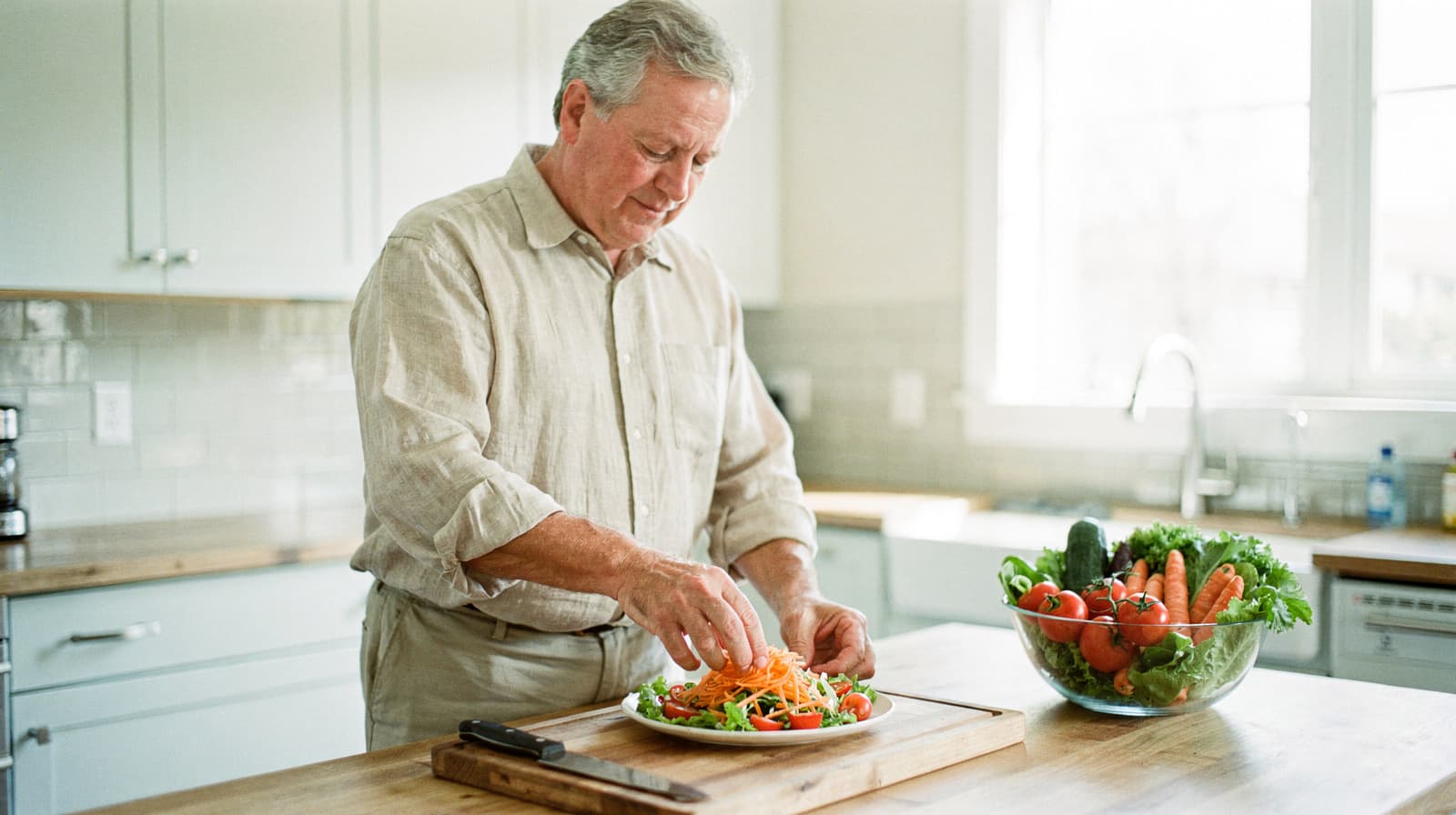
Why does nutrition matter differently on a GLP-1 protocol?
GLP-1 receptor agonists do something most diets cannot: they reduce appetite reliably enough that total caloric intake falls substantially without requiring willpower to override hunger. That is the mechanism behind the weight loss results in clinical trials. But the same appetite suppression creates a real risk that people eat too little of the right things.
When calories drop sharply, the body does not draw exclusively from fat stores. Lean muscle mass is also catabolized unless dietary protein intake is high enough to signal that muscle preservation is a priority. Research in caloric restriction studies consistently shows that higher protein intake reduces the proportion of weight loss that comes from lean tissue versus fat tissue. On a GLP-1 protocol, this principle becomes operationally important because many people feel full eating far less than they did previously.
Slower gastric emptying adds a second layer of complexity. Food sits in the stomach longer on GLP-1 therapy, which means high-fat meals, large portions, and certain food textures become harder to tolerate. Nausea is the most common reported side effect of semaglutide and tirzepatide — and diet choices are one of the most modifiable factors affecting how significant that nausea is.
How much protein do you need on a GLP-1 protocol?
On any weight management protocol involving significant caloric restriction, protein intake is the single highest-priority nutrition variable. On a GLP-1 protocol, this is amplified because the agent is effective enough at suppressing appetite that maintaining adequate protein intake requires deliberate effort.
Most clinicians and registered dietitians working with GLP-1 patients recommend a protein target of 1.2 to 1.6 grams per kilogram of body weight per day. For a person weighing 90 kg (about 200 lb), that means targeting 108 to 144 grams of protein daily. For active individuals or those doing resistance training, the upper end is appropriate.
Practical implications for meal planning:
- Prioritize protein first at each meal. When appetite is reduced and portions are small, protein should come first so that filling up on lower-protein foods does not crowd out the priority nutrient.
- Choose lean, easy-to-digest proteins. Chicken breast, fish, eggs, Greek yogurt, cottage cheese, and legumes are generally well tolerated. High-fat red meats can worsen nausea when gastric emptying is slowed.
- Distribute intake across meals. Protein synthesis is optimized when intake is distributed rather than consumed in one or two large portions. Three to four protein-containing meals spaced through the day works better than front- or back-loading.
- Consider protein shakes strategically. When solid food is difficult to tolerate due to nausea, high-quality whey or pea protein shakes can deliver protein without requiring a large volume of food.
The same appetite suppression that makes GLP-1 therapy work is exactly what makes eating too little of the right things the real risk.
What about fiber and carbohydrates?
Fiber supports gut health, slows glucose absorption, and contributes to satiety through distinct mechanisms from GLP-1 receptor activation. Continuing to eat adequate fiber on a GLP-1 protocol matters because the reduced total food volume can inadvertently reduce fiber intake.
Target sources include non-starchy vegetables (broccoli, leafy greens, zucchini, peppers), legumes (lentils, chickpeas, black beans), and lower-glycemic whole grains (oats, quinoa, barley). Cruciferous vegetables cause gas and bloating in some people, and that can be more pronounced when gastric transit is slowed — watch individual tolerance and adjust.
On carbohydrates broadly: the GLP-1 class improves post-meal glucose handling, which reduces but does not eliminate the relevance of glycemic load in meals. A moderate-carbohydrate approach centered on whole food sources is reasonable for most people. Ultra-processed, high-glycemic foods (white bread, refined pastries, sugary drinks) provide minimal satiety relative to their caloric contribution and are worth minimizing regardless of what a GLP-1 agent does to appetite.
What foods help and hurt on GLP-1 therapy?
Several food categories are consistently associated with worse nausea and GI discomfort when gastric emptying is slowed:
| Food category | Recommended | Limit or avoid |
|---|---|---|
| Protein | Chicken breast, fish, eggs, Greek yogurt, cottage cheese, legumes | High-fat red meats, heavy cream-based protein dishes |
| Carbohydrates | Oats, quinoa, sweet potato, brown rice, legumes | Refined pastries, white bread, sugar-sweetened drinks |
| Fats | Avocado (small portions), olive oil (drizzled), nuts as a snack | Fried foods, heavy cream sauces, large-portion full-fat dairy |
| Vegetables | Leafy greens, zucchini, peppers, green beans, cucumber | Large portions of cruciferous veg (gas/bloating risk) |
| Beverages | Water, electrolyte drinks (if nausea is causing losses) | Carbonated drinks, alcohol, large volumes with meals |
- High-fat meals: Fried foods, heavy cream sauces, greasy meats, and full-fat dairy products sit in the stomach longer and are more likely to trigger or worsen nausea. Portion size matters here too — even moderate-fat foods in large portions can be problematic.
- Very large portions: Gastric emptying is slowed, so the volume that feels manageable is smaller than before starting the medication. Eating past a comfortable fullness point is more likely to cause discomfort than it was pre-treatment.
- Carbonated beverages: Gas and bloating are more pronounced on GLP-1 therapy for many people. Carbonated water and sodas frequently worsen this.
- Alcohol: GLP-1 agonists can alter alcohol tolerance and absorption. Some people find they feel the effects of alcohol more quickly or intensely. Alcohol also contributes to dehydration, which worsens GI side effects.
- High-sugar foods: While GLP-1 agents improve glucose handling, high-sugar foods can cause GI discomfort independently and provide low nutritional value relative to calories.
Hydration
Nausea and reduced appetite can also reduce fluid intake. Dehydration worsens nausea, constipation, and fatigue — all common GLP-1 side effects. Explicit attention to fluid intake matters on these medications.
A practical approach: keep water accessible throughout the day rather than drinking large amounts at once (which can worsen bloating). Electrolyte-containing beverages can be helpful if nausea has caused actual fluid or electrolyte losses.
How should you structure and time meals?
Small, frequent meals generally work better than two or three large meals when appetite is suppressed and gastric emptying is slower. Eating every three to four hours in smaller portions maintains adequate nutrient intake without requiring large portions that may trigger discomfort.
Eating slowly is more important than usual. On GLP-1 therapy, the signal that communicates fullness is already amplified — eating quickly can lead to eating past the point of comfort before the signal registers. Chewing thoroughly, taking smaller bites, and pausing between bites are not just general advice; they are practically relevant for tolerability on these agents.
There is no clinical requirement to eat at specific times relative to the weekly injection. Some people find that injecting on a day when they have more flexibility around eating minimizes disruption, but this is personal preference, not a medical protocol requirement.
Frequently asked questions
Do I need to follow a special meal plan on a GLP-1 medication?
There is no single required meal plan, but nutrition choices meaningfully affect your outcomes and tolerability. GLP-1 agonists slow gastric emptying, which changes how certain foods are tolerated. High-fat foods often worsen nausea. High-protein, high-fiber foods help preserve lean mass and maintain satiety on a lower caloric intake. Your prescribing clinician may work with a dietitian or provide nutrition guidance as part of your protocol.
What should I eat on semaglutide or tirzepatide?
Prioritize protein at every meal to offset lean mass loss that can accompany rapid weight reduction. Include high-fiber vegetables, legumes, and whole grains to support gut health and satiety. Limit high-fat, greasy, or fried foods, which are more likely to trigger nausea when gastric emptying is slowed. Eat smaller, more frequent portions rather than large meals. Stay well hydrated.
How much protein should I eat on a GLP-1 protocol?
Most clinicians recommend targeting at least 1.2–1.6 grams of protein per kilogram of body weight per day during active weight loss on a GLP-1 medication, with the upper end more appropriate for active individuals. This is higher than standard population recommendations because of the lean mass preservation priority during significant caloric deficit.
What foods should I avoid on semaglutide or tirzepatide?
High-fat meals (fried foods, heavy sauces, fatty meats) are most commonly linked to nausea and GI discomfort. Very large meal portions are harder to tolerate when gastric emptying is slowed. Carbonated beverages can worsen bloating. Sugar-sweetened drinks contribute empty calories without satiety. Alcohol tolerance may change on GLP-1 therapy.
Can I intermittent fast on a GLP-1 medication?
Intermittent fasting is not contraindicated, but it requires care. GLP-1 agonists already significantly reduce appetite, and very low caloric intake during fasting windows — combined with medication-driven appetite suppression — can make adequate protein intake difficult. If you are already on a GLP-1 protocol and considering intermittent fasting, discuss with your prescribing clinician before making changes.